.svg)

Is Your Enterprise AI Roadmap Stuck in Neutral?
Many technology and product leaders are experiencing a common challenge: their engineering teams are leveraging AI to accelerate code generation, yet overall product shipping dates remain unchanged. This creates a paradox: an upgraded engine in a car still caught in traffic, bottlenecked by manual approvals, legacy handoffs, and fragmented workflows.
At iForAI, we frequently observe this scenario. The reality is that a faster developer does not automatically translate to a faster release cycle if the surrounding operational system is inefficient. To convert AI's potential into measurable return on investment (ROI), it's essential to look beyond individual AI prompts and focus on optimizing the entire workflow architecture.
From Reactive Assistants to Proactive AI Agents
To significantly impact business outcomes, organizations need to evolve their approach to AI—moving from treating it as a reactive chatbot to deploying it as a proactive agent.
A reactive assistant typically waits for a human to initiate an interaction. In contrast, an intelligent agent operates within your existing technology stack. It doesn't wait for a prompt; instead, it actively scans pull requests for potential security vulnerabilities, validates new code against the original Product Requirement Document (PRD), and flags architectural deviations before they escalate into costly technical debt. This shift elevates AI from a "digital intern" role to a foundational component of operational reliability.
Automating the "Connective Tissue" of Handoffs
In many mid-market enterprises, the primary source of friction isn't within the coding process itself, but rather in the "connective tissue" between different departments. When critical handoffs—such as those from design to development or during quality assurance (QA) cycles—remain manual, they can create a natural ceiling for growth and efficiency.
True innovation often involves orchestrating complex processes, not just optimizing individual tasks. By automating these transitions—using AI for dynamic documentation, automated impact analysis, and cross-team synchronization—organizations can bridge the gap between writing code and delivering value. This approach not only makes individual contributors more efficient but also enhances the fluidity and responsiveness of the entire organization.
Integrating Governance to Mitigate Shadow AI Risks
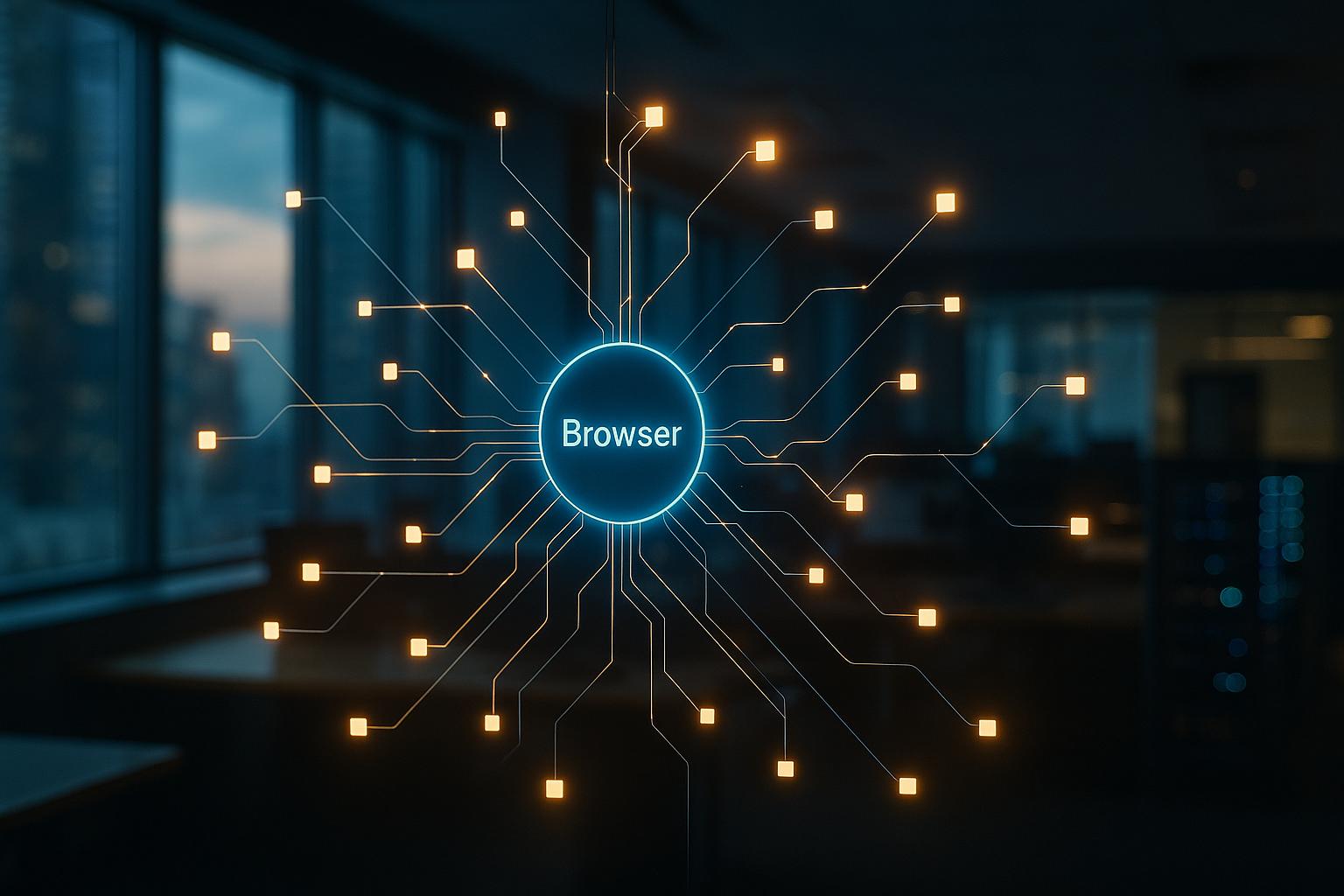
When AI tools are not thoughtfully integrated into existing Continuous Integration/Continuous Delivery (CI/CD) pipelines, developers may resort to "Shadow AI." This often involves using unverified external browsers or third-party tools to quickly complete tasks, potentially by pasting sensitive internal code.
This practice poses not only a significant security risk but also highlights a governance gap. iForAI focuses on embedding AI directly into secure enterprise environments. By providing a sanctioned, integrated pathway for AI usage, organizations can protect their intellectual property while maintaining the "flow state" that developers need for productivity. Security measures should be an inherent part of the operational framework, not an impediment.
Measuring ROI Through Cycle Time, Not Lines of Code
Ultimately, the most effective way to measure AI success is not by the volume of code generated. In an AI-augmented environment, lines of code can be produced efficiently; what truly matters are quality and speed-to-market.
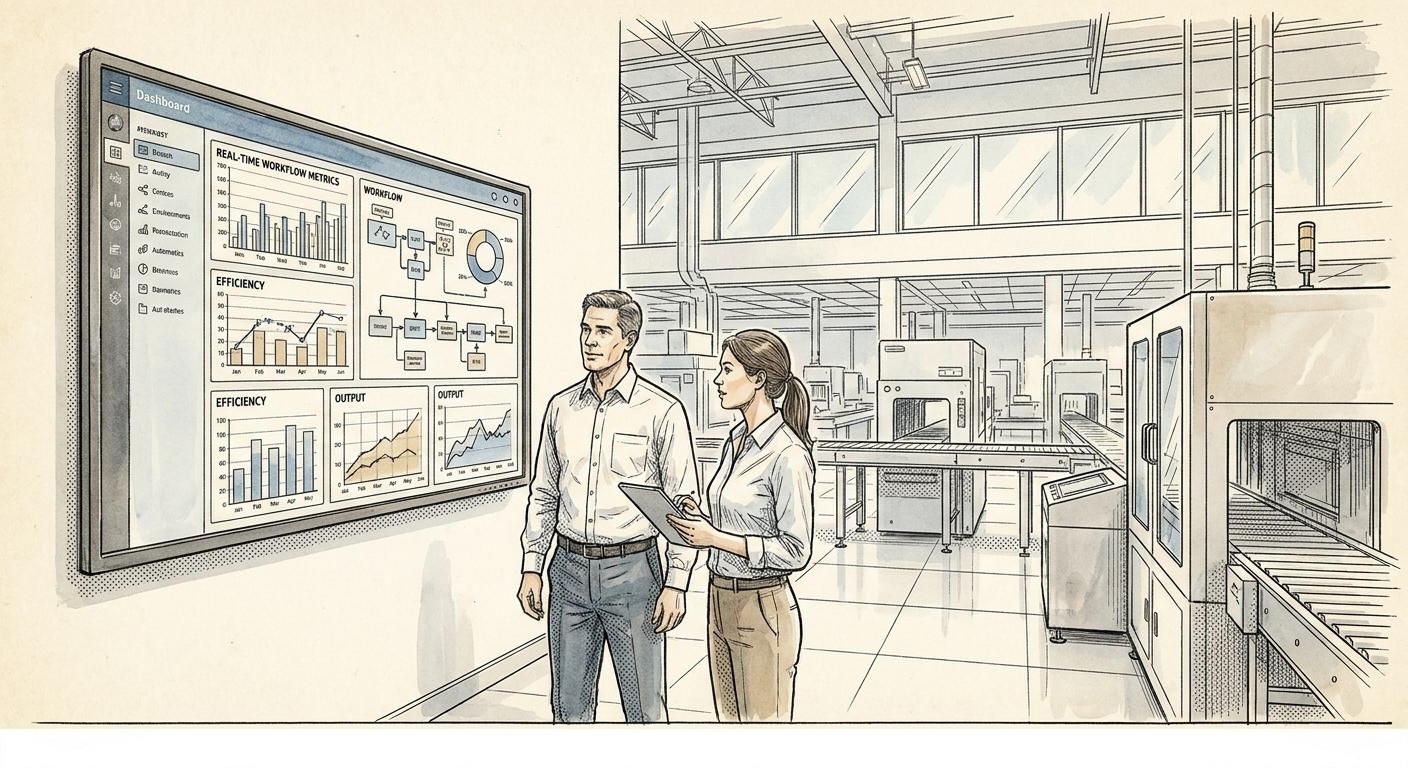
Therefore, organizations should measure success by cycle time. If an AI implementation isn't reducing the duration from a product idea to a live feature, the bottleneck likely lies in the overall orchestration of workflows, rather than the AI model itself.
Is your workflow optimized for the next level of efficiency? AI should function as a working system that drives tangible outcomes, not merely a theoretical advantage. Let's transform your AI strategy from conceptual plans to practical execution.
[Book a consultation with the iForAI team today to audit your AI roadmap and unlock its full potential.]